Buying land in Kenya from abroad is one of the smartest long-term investment moves you can make. The country’s fast-growing towns, expanding infrastructure, and rising demand for housing continue to push land values upward every year.
But there’s one challenge many diaspora investors face: land scams and fraudulent deals.
The good news is this—land fraud is preventable if you follow the right steps, use verified systems, and understand how legitimate transactions work.
At Think Real Estate, we regularly support both local and international investors in safely purchasing verified land across Kenya. This guide explains in detail how you can protect yourself while investing from abroad.
1. Why Land Scams Are Common for Diaspora Investors
Fraudsters often target people living outside Kenya because:
- You cannot physically inspect the land
- You rely heavily on agents or relatives
- You may not understand Kenyan land laws
- You may rush decisions due to fear of missing opportunities
Common scams include:
- Selling land that does not exist
- Selling one plot to multiple buyers
- Fake title deeds
- Land with disputes or court cases
- Selling government or community land illegally
Understanding these risks is the first step to avoiding them.
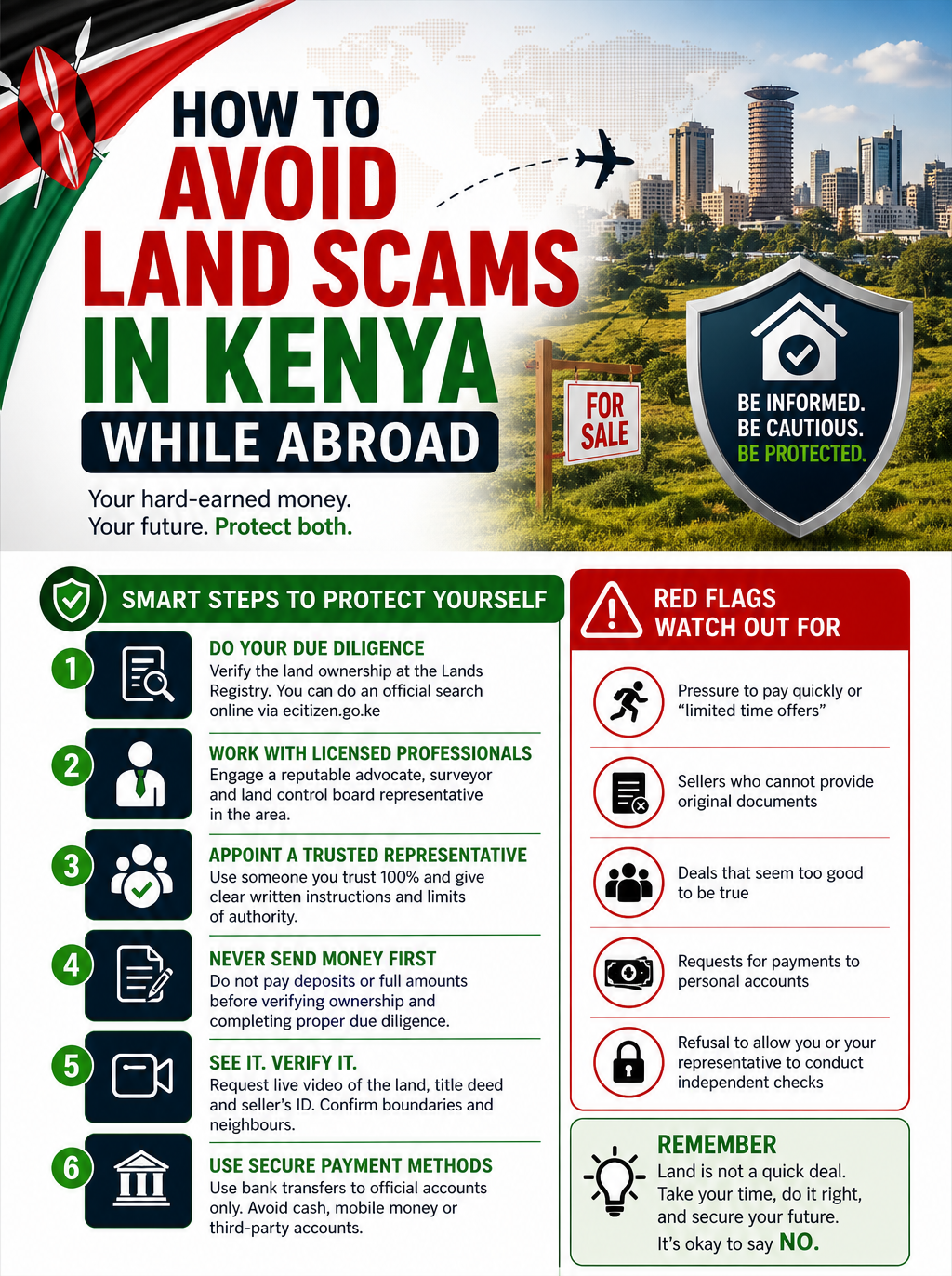
2. Always Start with an Official Land Search
Before paying anything, insist on a land search at the Ministry of Lands (Ardhisasa system).
A proper land search confirms:
- The real owner of the land
- Whether the title deed is genuine
- If the land has loans or disputes
- The exact size and location
👉 If a seller refuses to provide a land search, walk away immediately.
3. Never Buy Land Without Verified Title Documents
A genuine land transaction must include:
- Title deed (or lease title)
- Official land search certificate
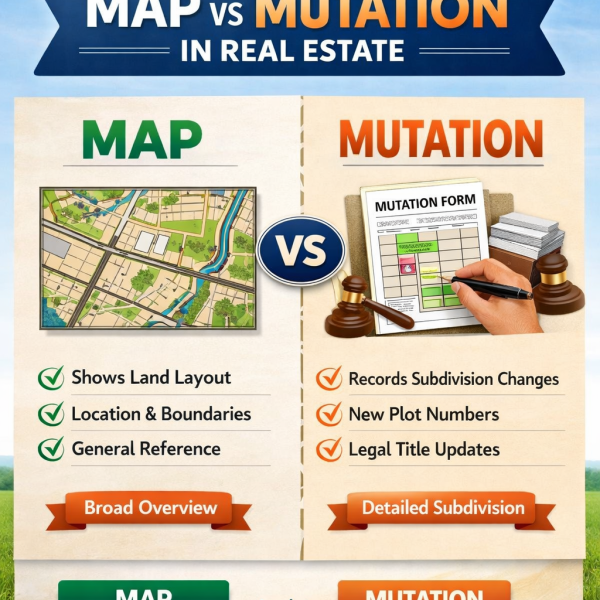
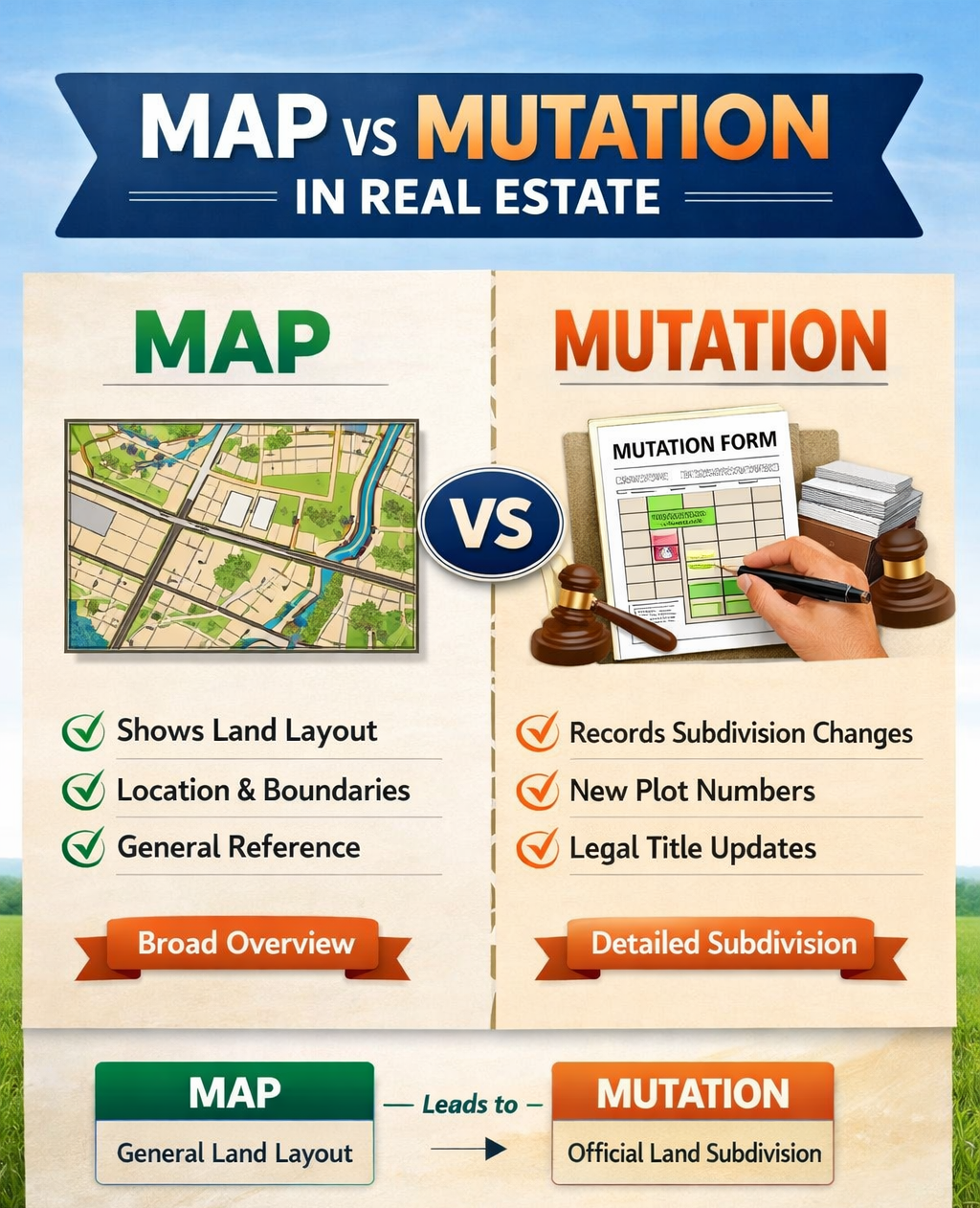
- Mutation forms (if subdivided land)
- Survey map
Red flags include:
- “Title is coming later”
- “We are processing documents”
- Photocopies without originals
At Think Real Estate, every project is fully documented and verified before listing.
4. Avoid Cash Payments to Individuals or Agents
One of the biggest mistakes diaspora investors make is sending money directly to individuals.
Instead:
- Always pay through a lawyer’s escrow account
- Ensure receipts and contracts are issued
- Avoid informal M-Pesa payments without documentation
A proper transaction should always be traceable and legally documented.
5. Verify the Land Location Physically (Even from Abroad)
If you cannot travel, demand:
- Live video site visits
- Drone footage of the land
- Google Maps coordinates
- Beacon confirmation photos
Fraudsters often show fake land locations or edited images. Verified companies will always provide real-time proof of the site.
6. Work Only with Registered Real Estate Companies
Before investing, confirm:
- Company registration (via eCitizen)
- Physical office location in Kenya
- Real client reviews and past projects
- Legal team or licensed advocates
A legitimate company should be transparent and easy to verify.
Think Real Estate provides:
- Verified land projects
- Transparent documentation
- Regular investor updates
- Diaspora-friendly communication channels
7. Use a Licensed Lawyer for Every Transaction
A Kenyan property lawyer is not optional—it is essential.
Your lawyer will:
- Conduct legal due diligence
- Verify ownership documents
- Draft sale agreements
- Handle land transfer process
- Protect your funds during transaction
Never rely solely on agents or brokers.
8. Understand the Real Market Price
Scammers often lure buyers with:
- “Too cheap” land deals
- Unrealistic discounts
- Pressure to buy immediately
Always compare:
- Nearby land prices
- Infrastructure developments
- Market trends in that area
If the price looks too good to be true—it usually is.
9. Avoid Rush Decisions and Pressure Tactics
Common scam tactics include:
- “Only 2 plots left”
- “Offer expires today”
- “Someone else is about to buy”
Legitimate land investments do not rely on fear or pressure. Real opportunities are transparent and verifiable.
10. Confirm Payment Plans and Ownership Timeline
A safe land purchase should clearly show:
- Payment structure (deposit + installments if any)
- Timeline for title deed issuance
- Transfer process steps
- Completion requirements
At Think Real Estate, we ensure clients understand the full ownership journey before payment begins.
11. Always Insist on a Written Agreement
Every transaction must include:
- Signed sale agreement
- Witnessed by a lawyer
- Clearly stated terms and conditions
- Penalties for breach of contract
Never rely on verbal agreements or informal promises.
12. Choose Verified and Growing Locations
Safe investments are usually in:
- Fast-growing satellite towns
- Infrastructure expansion zones
- Legally planned settlements
Examples include:
- Naivasha corridor
- Makutano Mwea
- Kenol / Murang’a growth zones
- Nairobi outskirts
These areas have:
- Clear land records
- Active development
- Strong appreciation potential
Final Thoughts
Buying land in Kenya while abroad is safe—but only when done correctly. The key is simple: due diligence, documentation, and verified partners.
At Think Real Estate, we believe land ownership should be:
- Transparent
- Legally secure
- Stress-free
- Accessible even from abroad
We guide diaspora investors through every step—from verification to title deed transfer—so you can invest with confidence no matter where you are in the world.
📞 Call/WhatsApp: 0791 000 222 / 0792 000 222
🌐 Website: www.thinkrealestatekenya.co.ke
📍 Site Visits: Every Wednesday & Saturday